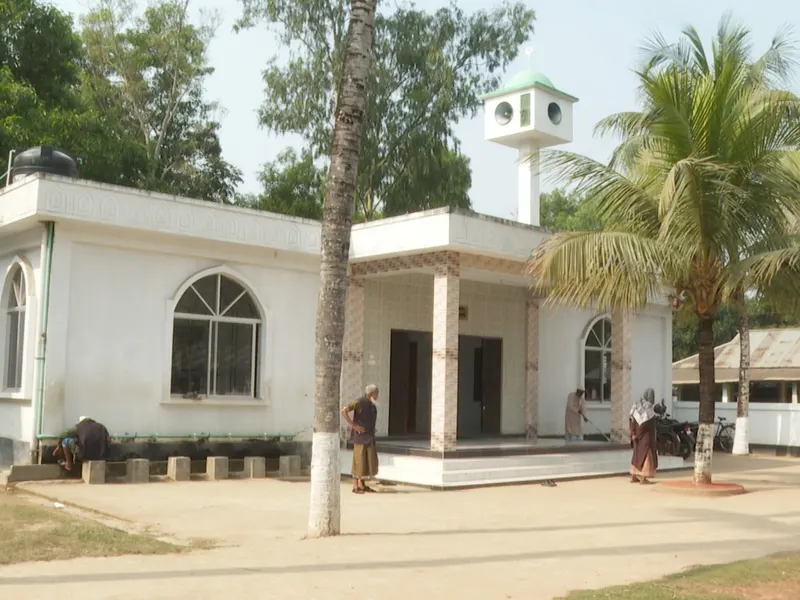
Lillah, for the sake of Allah alone
Lillah is general charity given purely for the pleasure of Allah, without conditions on who receives it. It pays for the running of the madrasa, including buildings, salaries and utilities, wherever the need is greatest.
- 100% reaches the madrasa in Sylhet
- Secure card payments by Stripe
- A receipt by email

Supervised by Muftī Abdurraḥmān (ḥafiẓahullāh) Principal of Monuhorpur Anwarul Uloom Madrasa, Kulaura Shaykh al-Ḥadīth, Dārul ʿUlūm Ford Square Chief Mufti, Dārul Iftā London About him
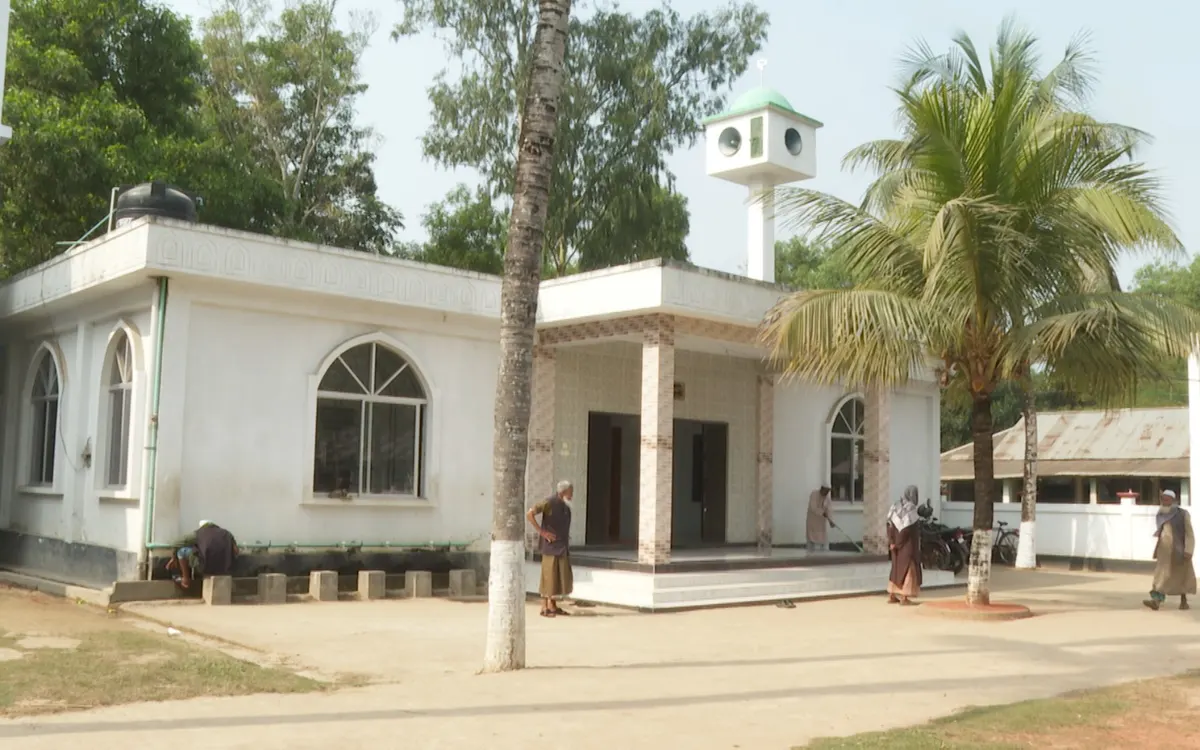
What your donation can do
Add one or more to your basket and pay for them together.
-

Sponsor a Student
Monthly tuition, food and housing for one student.
-
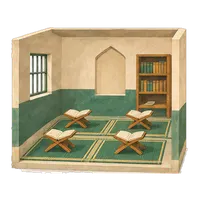
Sponsor a Room
Dedicate a whole room in the new building.
-
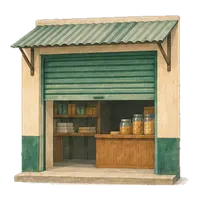
Shop Room (Madrasa income)
One commercial shop: ongoing income for the madrasa.
-

Sponsor a Door
One door fitted to the new building.
-
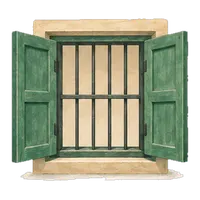
Sponsor a Window
One window fitted to the new building.
-
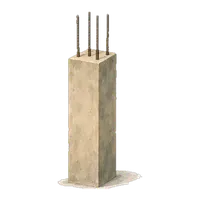
Sponsor a Pillar
One structural pillar in the new building.
-
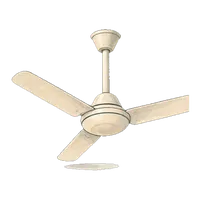
Ceiling Fan
One fan for a classroom or dormitory.
-

Deep Tube Well
Clean water for the whole madrasa.
-
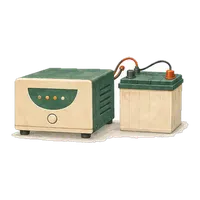
IPS (2 units: backup power)
Backup power units keeping lights and fans on.
-
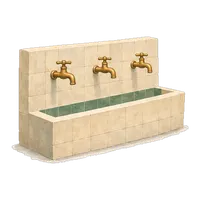
Wudhu Khana (Ablution tap)
One ablution tap for students.
-

1 Day Meals for Students
Feeds every boarding student for one day.
-

5 Bags of Rice
Five bags of rice for the kitchen.
-

1 Bag of Rice
One bag of rice for the kitchen.
Where your donation goes
How your donation is distributed
Lillah funds the operating costs of the madrasa, costs that Zakat's eight categories do not cover but the madrasa cannot run without.
- Teacher salaries: monthly pay for our scholars and teachers.
- Utilities & kitchen: electricity, water, gas, and groceries for 400+ students.
- Books & equipment: Qur'ans, Hadith texts, classroom supplies.
How your donation reaches Sylhet
Regular Lillah donations are what the madrasa relies on most. Set up a monthly donation of any amount; cancel any time. We send a quarterly summary showing exactly which month's expenses your contribution covered.
Accounts are closed each year, and spending is supervised on site by our Chairman.
About Lillah
Whoever does righteousness, whether male or female, while being a believer, We will surely cause him to live a good life, and We will surely give them their reward according to the best of what they used to do.
Qur'an 16:97
- What is it?
Lillah (literally “for Allah”) is unrestricted charity. It can fund anything that benefits the community: building costs, staff salaries, utility bills, books, equipment.
Unlike Zakat, Lillah is not restricted to the eight categories of recipients, so it is the right way to support the day-to-day running of an Islamic institution.
- Who pays it?
Open to anyone. There is no obligation, no threshold, and no minimum amount. Lillah is given purely out of love for the work being done.
- When is it due?
Year-round. Lillah helps most as a steady monthly donation because it pays for the recurring costs (salaries, utilities, food) that keep the madrasa open.
- How much?
Any amount. £20 covers a week of utilities. £100 covers a month of meals for one student. £500 covers a teacher's monthly salary.
What your donation does
Lillah pays for the madrasa's day-to-day running: teachers' salaries, kitchen costs, electricity, water and the everyday materials needed to teach 400+ students.
Frequently asked questions
Can Lillah be used to pay teacher salaries?
Yes, that's one of the main reasons institutions request Lillah specifically. Zakat must be given into the ownership of an eligible person from the eight Qur'anic categories, so in the Hanafi school it cannot pay salaries or building costs. Lillah can fund anything that benefits the madrasa and the community.
Is there a fixed amount?
No. Give what you can. Many supporters set up a small monthly Lillah of £10 to £50; over a year that adds up and helps cover running costs.
How is Lillah different from Sadaqah?
Both are voluntary and both are given for the sake of Allah. In madrasa and masjid usage, Lillah means a gift to the institution itself, which can be spent on any of its needs, including buildings and salaries. Sadaqah is often given to individuals in need.
If you are paying your obligatory Zakat, please give it through the Zakat page so it reaches eligible recipients.